
 By wkxoq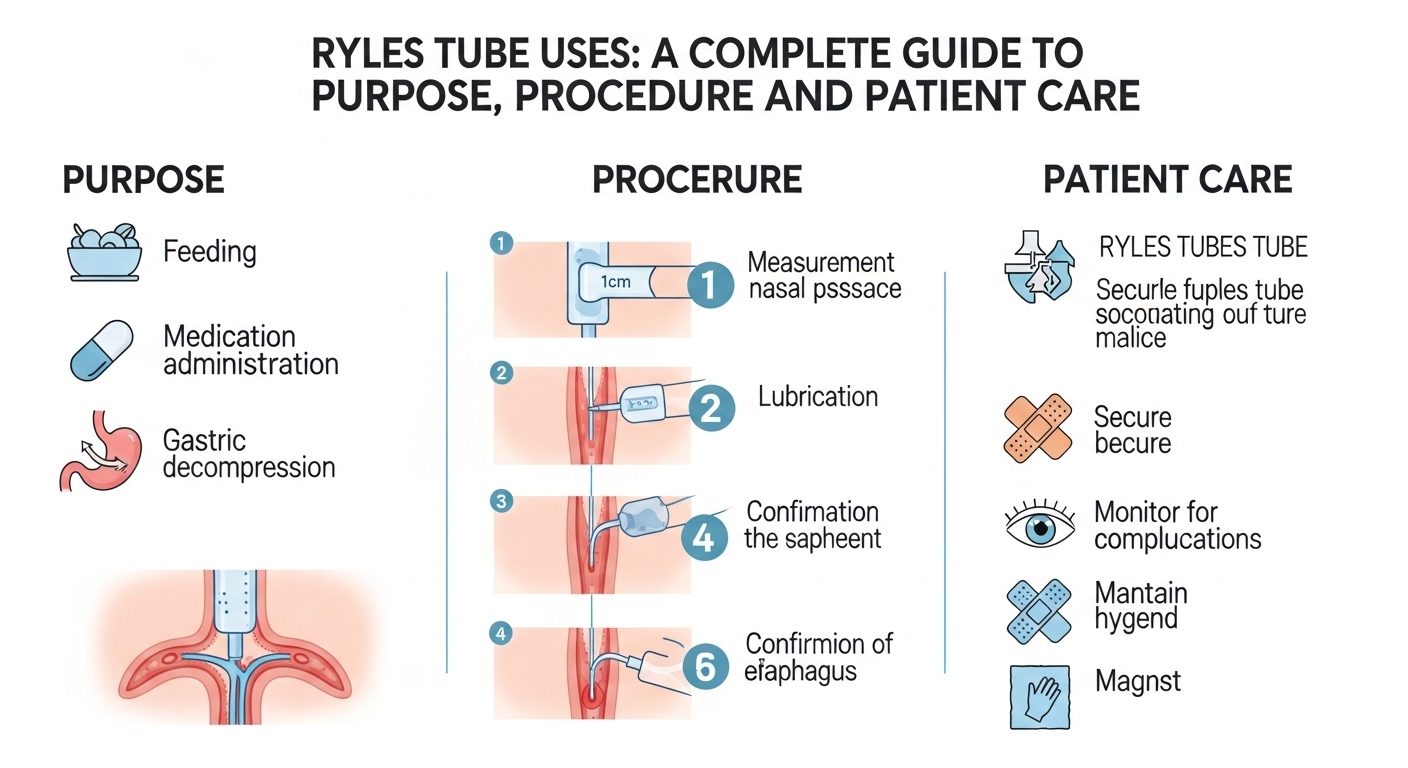
Ryles tube uses are widely recognized in modern healthcare for their essential role in patient management. This flexible tube, inserted through the nose into the stomach, serves multiple diagnostic and therapeutic purposes. From emergency care to long-term nutritional support, it plays a critical role in improving patient outcomes. Understanding how and why it is used can help both medical professionals and general readers appreciate its importance. This article explores the various applications, benefits, and considerations related to this medical device in a clear and structured manner.
What Is a Ryles Tube and How It Works
A Ryles tube is a thin, flexible tube designed to pass through the nasal passage, down the esophagus, and into the stomach. It is commonly made of medical-grade plastic that ensures safety and comfort during use. The primary function of this tube is to provide access to the stomach without surgical intervention. It works by allowing fluids, nutrients, or medications to be delivered directly, or by enabling the removal of stomach contents. Its design ensures minimal discomfort while maintaining effectiveness, making it a reliable option in both short-term and long-term medical care settings.
Ryles Tube Uses in Nutritional Support
One of the most important ryles tube uses is providing nutrition to patients who cannot eat orally. This includes individuals with swallowing difficulties, neurological disorders, or severe illnesses that impair normal eating. The tube allows for direct feeding into the stomach using specially prepared liquid nutrition. This ensures patients receive adequate calories, vitamins, and minerals necessary for recovery and overall health. It is particularly beneficial in intensive care units and for patients recovering from surgery. By maintaining nutritional balance, the tube supports healing and prevents complications related to malnutrition in vulnerable patients.
Role in Gastric Decompression
Ryles tube uses also include gastric decompression, a process that removes excess gas or fluid from the stomach. This is especially useful in patients with intestinal obstruction, abdominal surgery, or severe bloating. By relieving pressure within the stomach, the tube helps reduce discomfort, nausea, and vomiting. It also prevents complications such as aspiration, where stomach contents may enter the lungs. Gastric decompression is often a critical step in stabilizing patients before further treatment. This function highlights the tube’s importance in emergency and postoperative care, ensuring patient comfort and safety during recovery.
Use in Medication Administration
Another significant application of ryles tube uses is the administration of medications. Patients who are unconscious, critically ill, or unable to swallow can still receive essential drugs through the tube. Medications are typically prepared in liquid form or crushed and dissolved before being delivered directly into the stomach. This method ensures accurate dosing and rapid absorption. It is commonly used in hospital settings where timely medication is crucial for patient survival. The ability to deliver treatment efficiently through the tube makes it an indispensable tool in managing a wide range of medical conditions.
Diagnostic Applications of Ryles Tube
Ryles tube uses extend beyond treatment and include diagnostic purposes as well. Healthcare providers may use the tube to collect gastric samples for laboratory analysis. These samples can help detect infections, bleeding, or abnormalities in stomach function. In some cases, it is used to assess the presence of blood in the stomach, which can indicate internal bleeding. This diagnostic capability allows for early detection of serious conditions, leading to timely intervention. By providing valuable insights into a patient’s condition, the tube plays a crucial role in accurate diagnosis and effective medical decision-making.
Importance in Poisoning and Overdose Cases
In emergency situations such as poisoning or drug overdose, ryles tube uses become life-saving. The tube can be used for gastric lavage, a procedure that involves washing out the contents of the stomach. This helps remove toxic substances before they are fully absorbed into the bloodstream. It is most effective when performed shortly after ingestion of harmful substances. The procedure must be carried out carefully under medical supervision to avoid complications. This use highlights the tube’s critical role in emergency medicine, where rapid intervention can significantly improve survival chances and reduce long-term health risks.
Ryles Tube Uses in Postoperative Care
Postoperative care often involves the use of a Ryles tube to support patient recovery. After certain surgeries, especially abdominal procedures, patients may not be able to eat or digest food normally. The tube helps manage this period by providing nutrition and removing gastric secretions. It also reduces the risk of complications such as vomiting or aspiration. By maintaining a stable internal environment, the tube allows the digestive system to heal properly. Its use in postoperative settings ensures that patients recover more comfortably and safely, making it a standard practice in many surgical care protocols.
Potential Risks and Patient Care Considerations
While ryles tube uses offer many benefits, proper care and monitoring are essential to avoid complications. Incorrect placement can lead to discomfort or serious issues such as lung insertion. Regular checks are required to ensure the tube remains in the correct position. Patients may also experience irritation in the nose or throat during prolonged use. Maintaining hygiene and following medical guidelines can minimize these risks. Healthcare providers play a key role in ensuring safe usage, while patients and caregivers must be aware of signs of complications. Proper management enhances effectiveness and reduces potential adverse effects.
Advancements and Modern Practices
Modern healthcare continues to improve ryles tube uses through better materials and techniques. Advances in medical technology have made the tubes more comfortable, flexible, and easier to insert. Training protocols have also improved, reducing the risk of errors during placement. In some cases, imaging techniques are used to confirm correct positioning, ensuring patient safety. Additionally, improved nutritional formulas and medication delivery methods have enhanced overall outcomes. These advancements reflect the ongoing effort to provide safer and more effective patient care. The evolution of this simple device demonstrates its lasting importance in medical practice.
Conclusion
Ryles tube uses remain a cornerstone of medical care, offering versatile solutions for both treatment and diagnosis. From providing essential nutrition to managing emergencies, this device plays a vital role in supporting patient health. Its wide range of applications highlights its importance across different medical fields. With proper usage and care, it significantly improves patient outcomes and quality of life. As healthcare continues to advance, the relevance of this tool is expected to grow further. Understanding its functions and benefits helps appreciate its value in modern medicine and patient-centered care.