
 By wkxoq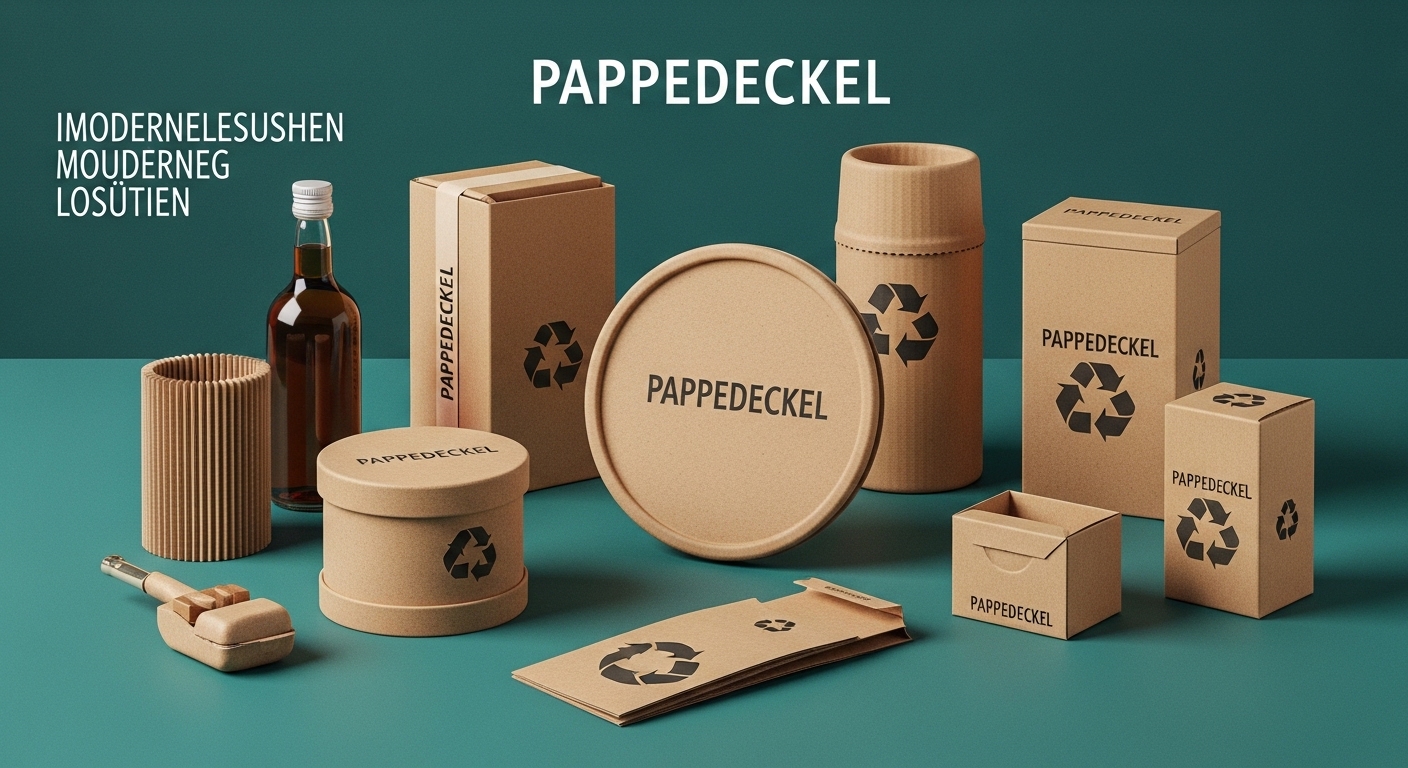
In a world where sustainability is becoming a priority, simple materials are gaining renewed importance. One such material is pappedeckel, a versatile and eco-friendly form of cardboard widely used in packaging, crafts, and everyday applications. Although it may appear ordinary, pappedeckel plays a significant role in reducing environmental impact while offering practical benefits. Its affordability, durability, and recyclability make it a preferred choice across industries. This article explores the importance of pappedeckel, its uses, advantages, and its growing relevance in a world that increasingly values sustainable and responsible material choices.
Understanding What Pappedeckel Really Is
Pappedeckel is a German term commonly used to describe sturdy cardboard or thick paperboard material. It is manufactured by compressing layers of paper pulp to create a firm and durable sheet. This material is often used in packaging, bookbinding, and protective layering due to its strength and lightweight properties. Unlike plastic alternatives, pappedeckel is biodegradable and recyclable, making it environmentally friendly. Its composition allows it to be easily shaped, cut, and printed, making it suitable for a wide range of applications. This flexibility is one of the reasons why pappedeckel continues to be widely used globally.
The Growing Importance of Pappedeckel in Sustainability
Sustainability has become a major concern in modern society, and pappedeckel plays a valuable role in addressing environmental challenges. As industries move away from single-use plastics, materials like pappedeckel provide a practical alternative. It is produced from renewable resources, often using recycled paper, which reduces the need for raw materials. Additionally, its ability to decompose naturally helps minimize waste accumulation in landfills. Businesses that adopt pappedeckel contribute to reducing carbon footprints and promoting eco-friendly practices. This growing awareness has significantly increased the demand for pappedeckel in various sectors worldwide.
Common Uses of Pappedeckel in Everyday Life
Pappedeckel is widely used in everyday products, often without people realizing it. It is commonly found in packaging boxes, book covers, food containers, and protective inserts for shipping fragile items. Many educational and creative projects also rely on pappedeckel due to its ease of use and affordability. Retail packaging often incorporates it for branding and presentation purposes. Its versatility allows it to serve both functional and decorative roles. From simple packaging solutions to complex design applications, pappedeckel continues to be an essential material that supports convenience and efficiency in daily life.
Advantages of Using Pappedeckel Over Other Materials
One of the main advantages of pappedeckel is its balance between strength and lightness. It provides sufficient protection for goods without adding excessive weight, which is particularly beneficial in transportation. Compared to plastic, it is more environmentally responsible and easier to recycle. Its cost-effectiveness makes it accessible for businesses of all sizes. Additionally, pappedeckel can be customized with printing, coating, and cutting techniques, allowing for creative designs and branding opportunities. These advantages make it a preferred choice for manufacturers and designers who prioritize both functionality and sustainability.
Pappedeckel in Packaging and Logistics
The packaging and logistics industry heavily relies on pappedeckel due to its protective qualities and efficiency. It is commonly used to create boxes, dividers, and cushioning materials that safeguard products during transit. Its ability to absorb impact helps prevent damage to fragile items. Moreover, its lightweight nature reduces shipping costs, making it an economical option for businesses. Many companies are now adopting papedeckel packaging as part of their sustainability strategies. By doing so, they not only protect their products but also contribute to environmentally responsible practices that appeal to modern consumers.
Creative and Artistic Applications of Pappedeckel
Beyond industrial uses, pappedeckel has found a place in creative and artistic fields. Artists and designers use it as a base for models, sculptures, and craft projects due to its flexibility and ease of manipulation. Educational institutions often incorporate papedeckel in learning activities, encouraging creativity and hands-on experience. Its surface can be painted, printed, or decorated, making it ideal for artistic expression. This adaptability allows individuals to transform simple sheets of papedeckel into unique creations, demonstrating its value beyond practical applications and highlighting its role in creative industries.
Environmental Impact and Recycling of Pappedeckel
One of the most significant benefits of pappedeckel is its positive environmental impact. It is recyclable and can be processed multiple times to create new products, reducing the need for fresh raw materials. Recycling papedeckel also consumes less energy compared to producing new materials from scratch. Additionally, its biodegradable nature ensures that it does not contribute to long-term pollution. Proper disposal and recycling practices further enhance its environmental benefits. As awareness of sustainability grows, papedeckel is becoming a key material in efforts to reduce waste and promote responsible consumption.
Challenges and Limitations of Pappedeckel
Despite its many advantages, pappedeckel does have certain limitations. It is not as water-resistant as plastic, which can restrict its use in environments where moisture is a concern. Prolonged exposure to humidity can weaken its structure, affecting durability. Additionally, heavy loads may require reinforcement to maintain strength. Some applications may require additional coatings or treatments to enhance performance. However, ongoing innovations in material science are addressing these challenges, making papedeckel more versatile and reliable. Understanding these limitations helps businesses choose the right applications for this material.
The Future of Pappedeckel in a Sustainable World
The future of pappedeckel looks promising as industries continue to prioritize sustainability and innovation. Advances in technology are improving its strength, water resistance, and overall performance. Many companies are investing in eco-friendly packaging solutions, further increasing the demand for papedeckel. Governments and organizations are also encouraging the use of recyclable materials, supporting its growth. As consumers become more environmentally conscious, the role of papedeckel is expected to expand. Its combination of practicality and sustainability ensures that it will remain a valuable material in the years to come.
Conclusion
Pappedeckel represents a simple yet powerful solution in the quest for sustainable materials. Its versatility, affordability, and environmental benefits make it an essential component in modern packaging and creative applications. While it does have certain limitations, continuous innovation is enhancing its capabilities. By choosing papedeckel, individuals and businesses can contribute to a more sustainable future while maintaining efficiency and quality. As the demand for eco-friendly solutions continues to grow, papedeckel stands out as a reliable and responsible choice in today’s evolving world.