
 By wkxoq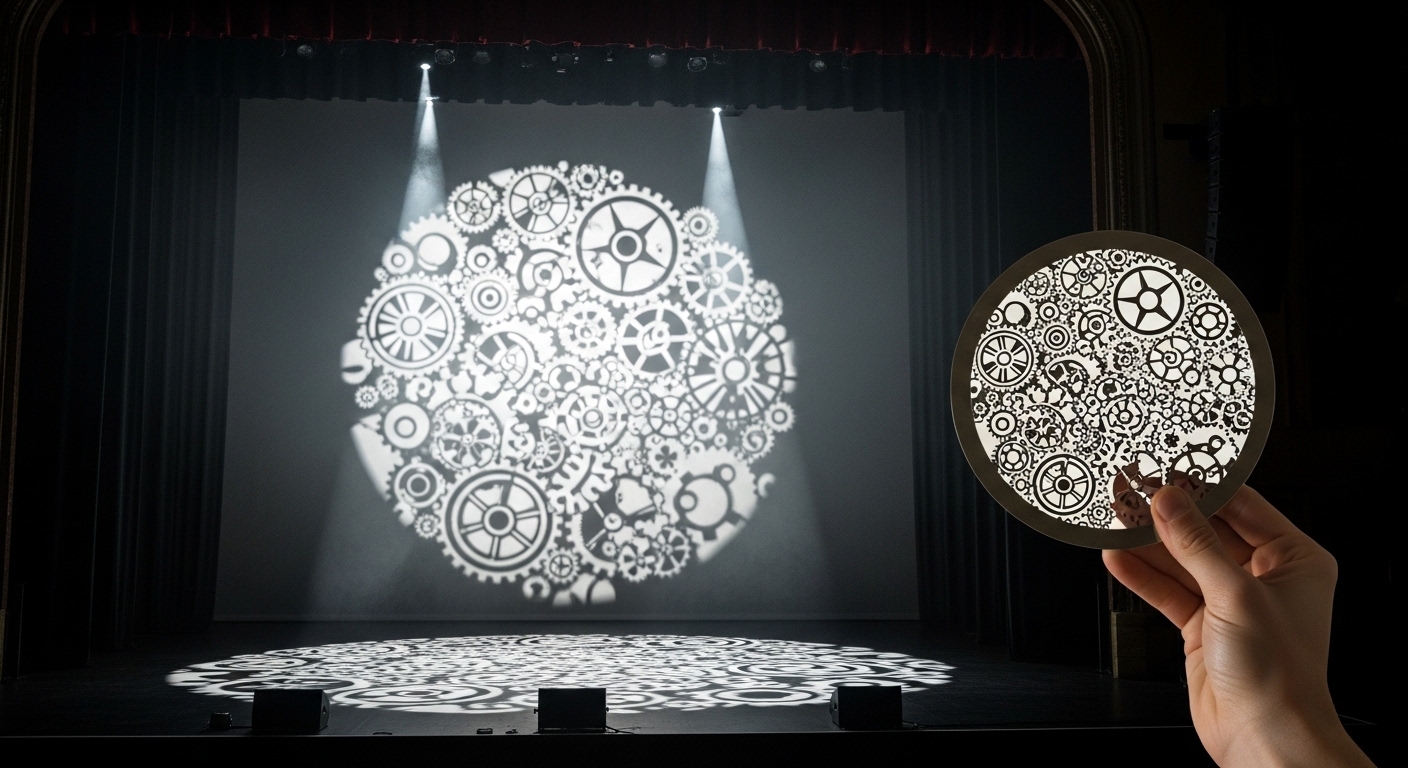
Lighting plays a crucial role in shaping the atmosphere of events, performances, and visual productions. Among the many tools used by lighting professionals, the gobo stands out as a simple yet powerful element that can transform ordinary lighting into artistic visual effects. A gobo is commonly used in theaters, concerts, photography studios, and event spaces to project patterns, logos, or textures using light. Despite its small size, it has a significant impact on visual storytelling and design. Understanding how a gobo works and why it is widely used helps reveal the creative possibilities that lighting professionals bring to modern entertainment and event environments.
What Is a Gobo
A gobo is a thin template placed inside or in front of a light source to shape the light into a specific pattern or image. When light passes through the cut-out design, it projects the pattern onto a surface such as a wall, stage, or floor. The word gobo is widely used in the lighting industry and is associated with stage productions, concerts, and professional photography setups. Lighting designers rely on this tool to add visual interest without changing the entire lighting system. Because it is small and easy to install, a gobo provides a flexible solution for creating unique lighting effects in different creative environments.
The Origin and Meaning of the Term Gobo
The term gobo has an interesting history within the lighting and film industries. While its exact origin is debated, many professionals believe it came from early film and stage production terminology. Some suggest that the word means “go between,” referring to the template placed between the light source and the surface where the image appears. Others believe it evolved from studio slang used by technicians. Regardless of its origin, the term gobo has become standard language among lighting designers worldwide. Today it represents a specialized tool that helps control light projection and adds artistic depth to stage design and visual presentations.
Types of Gobos Used in Lighting
Lighting professionals use several types of gobos depending on the design complexity and intended application. Metal gobos are among the most common and are made from thin sheets of steel with patterns cut into them. These are durable and ideal for simple designs such as geometric shapes or textures. Glass gobos allow for more detailed images because they can include intricate artwork or logos printed onto the glass surface. Plastic gobos are sometimes used for short term events because they are lightweight and inexpensive. Each type of gobo serves a specific purpose, allowing designers to achieve different lighting effects and visual results.
How Gobos Create Visual Effects
The ability of a gobo to transform light into shapes and patterns makes it a valuable tool in creative lighting design. When placed inside a specialized lighting fixture, the gobo interrupts the light beam and allows only certain parts of the light to pass through. This creates a projected image that appears on surfaces such as stage floors, walls, or backdrops. By adjusting the focus and angle of the light, designers can control the sharpness and size of the projection. The result can resemble shadows, textures, or detailed graphics, giving performances and events a visually engaging environment that supports storytelling and atmosphere.
Common Uses of Gobos in Events and Entertainment
The gobo is widely used across many areas of entertainment and event production. In theater productions, lighting designers use gobos to simulate natural elements such as leaves, windows, or architectural patterns on stage sets. Concerts often use them to create dramatic lighting textures that enhance musical performances. Corporate events and weddings frequently use custom gobos to project company logos or decorative patterns onto walls and dance floors. This simple lighting accessory allows event organizers to personalize spaces without major structural changes. Because of its versatility, the gobo remains a popular choice for designers looking to create memorable visual experiences.
Gobos in Photography and Film Production
Beyond stage lighting, the gobo also plays an important role in photography and film production. Photographers use gobos to shape light and create shadows that add depth and mood to images. By placing a patterned template between the light source and the subject, photographers can simulate window light, foliage shadows, or abstract textures. In film production, lighting technicians use gobos to control unwanted light spill and to create realistic environmental effects on set. This technique helps filmmakers build believable scenes without relying solely on digital effects. As a result, gobos contribute significantly to visual storytelling in both still photography and cinema.
Designing Custom Gobos for Branding
Custom gobo designs have become increasingly popular in branding and promotional events. Companies often create gobos featuring their logos, slogans, or symbols to project onto event spaces during conferences, product launches, or exhibitions. This lighting technique reinforces brand identity while adding a visually striking element to the venue. Event planners appreciate how easily a custom gobo can transform a plain wall or floor into a branded display. Because the projection can be large and highly visible, it becomes a focal point for guests and attendees. This creative approach allows organizations to combine lighting design with marketing and visual communication strategies.
The Technology Behind Modern Gobo Lighting
Advancements in lighting technology have expanded the capabilities of gobo projections. Modern lighting fixtures such as intelligent moving lights allow designers to rotate, change, or animate gobos during a performance or event. These fixtures can quickly switch between multiple patterns, creating dynamic visual effects that were not possible with traditional lighting systems. Digital control systems also allow designers to adjust brightness, focus, and color while the projection is active. The integration of technology with the traditional gobo concept has opened new creative opportunities for stage designers, filmmakers, and event planners seeking innovative lighting solutions.
Why Gobos Remain Important in Lighting Design
Despite the growth of advanced digital projection technologies, the gobo remains a fundamental tool in professional lighting design. Its simplicity, reliability, and creative flexibility make it valuable for both small events and large productions. Lighting designers appreciate how quickly a gobo can change the mood of a space without requiring complex equipment. From subtle textures that enhance stage scenery to bold logo projections that capture audience attention, gobos continue to support visual storytelling. Their lasting importance shows that even simple tools can play a major role in shaping memorable lighting experiences across many industries.
Conclusion
The gobo is a small yet powerful element that has transformed the way lighting designers create visual effects. Used in theaters, concerts, photography studios, and corporate events, it allows light to project shapes, textures, and custom designs onto surfaces. Through different materials and modern lighting technologies, the gobo has evolved while maintaining its essential purpose of shaping light creatively. Its versatility makes it useful for artistic expression, branding, and storytelling in many professional settings. As lighting design continues to develop, the gobo will remain a trusted and effective tool for professionals seeking imaginative ways to enhance visual environments.