
 By wkxoq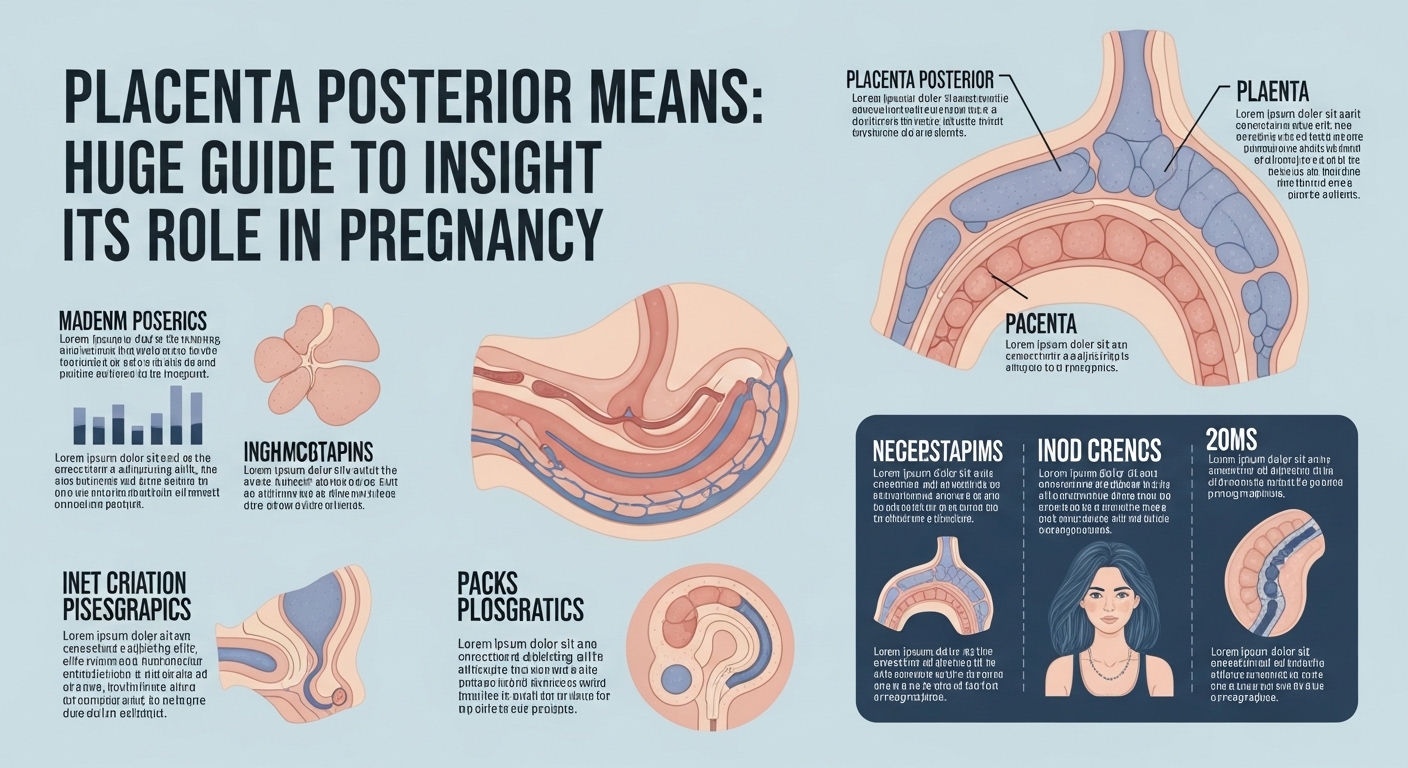
Pregnancy brings many medical terms that can feel confusing at first, especially when reading ultrasound reports. One such term is placenta posterior, which often raises questions among expecting mothers. Understanding what placenta posterior means can help reduce anxiety and provide clarity about the baby’s development. This article explains the concept in a simple and informative way, helping readers learn how this placental position affects pregnancy, what it indicates about fetal growth, and why it is considered a normal and healthy placement in most cases.
What Placenta Posterior Means in Simple Terms
Placenta posterior means that the placenta is attached to the back wall of the uterus, facing the mother’s spine. This position is one of the most common and natural placements during pregnancy. When doctors mention placenta posterior, they are simply describing where the placenta is located, not indicating any complication. The placenta plays a crucial role in nourishing the baby, and its position usually does not interfere with its function. Understanding placenta posterior means recognizing that it is a standard medical observation rather than a condition that requires concern or treatment.
How Placenta Forms and Positions Itself
The placenta develops early in pregnancy and attaches itself to the uterine wall wherever the fertilized egg implants. Placenta posterior means that implantation occurred toward the back of the uterus. This process is entirely natural and beyond control, as it depends on biological factors. The placenta grows alongside the baby, providing oxygen and nutrients while removing waste. Its position can vary from anterior, fundal, or posterior, but all these placements are generally considered normal. The posterior position often provides a comfortable environment for fetal growth without causing complications.
Is Placenta Posterior a Normal Condition
Placenta posterior means a normal and healthy placement in the majority of pregnancies. Medical professionals consider it one of the safest positions because it does not block the cervix or interfere with delivery. Unlike conditions such as placenta previa, where the placenta covers the cervical opening, a posterior placenta allows for natural childbirth in most cases. Expecting mothers with this placement can usually continue their pregnancy without additional restrictions. Knowing that placenta posterior means normal positioning helps reduce unnecessary worry and builds confidence throughout the pregnancy journey.
Impact on Baby Movement and Kicks
One noticeable aspect of placenta posterior means that mothers may feel their baby’s movements more clearly and earlier. Since the placenta is located at the back, there is less cushioning between the baby and the abdominal wall. This allows kicks and movements to be more distinct. Many mothers find this reassuring, as it helps them stay connected with their baby’s activity. Feeling regular movement is often considered a positive sign of fetal well-being, and placenta posterior placement supports this experience in a natural and comfortable way.
Influence on Pregnancy Symptoms
Placenta posterior means that certain pregnancy symptoms may feel slightly different compared to other placental positions. For example, because the placenta is not at the front, it does not act as a barrier to movements or pressure. This can make sensations more noticeable, including kicks and shifts in position. However, it does not significantly affect common symptoms such as nausea or fatigue. Overall, placenta posterior placement tends to provide a balanced experience without adding complications, allowing mothers to go through pregnancy with typical physical changes.
Role in Ultrasound and Medical Monitoring
During routine scans, doctors often mention placenta posterior to describe its position. This information helps monitor the placenta’s health and ensure it is functioning properly. Placenta posterir means that imaging is often clearer, as the placenta does not block the view of the baby. This can make it easier to observe fetal development and detect any potential concerns. Regular checkups ensure that both the baby and placenta are progressing well. The posterior position generally supports accurate and efficient medical assessments throughout pregnancy.
Effect on Labor and Delivery
Placenta posterior means that labor and delivery are usually straightforward and uncomplicated. Since the placenta is located away from the cervix, it does not obstruct the baby’s path during birth. This allows for a natural delivery in most cases, provided there are no other medical issues. Doctors typically do not consider posterior placement a risk factor. Instead, it is often seen as a favorable position that supports normal labor progression. Understanding this can help expecting mothers feel more prepared and confident about the delivery process.
When to Be Concerned About Placental Position
Although placenta posterior means a normal placement, it is still important to monitor the pregnancy regularly. Concerns may arise if there are additional complications unrelated to the placenta’s position. For example, issues with growth or blood flow require medical attention, but they are not caused by the posterior placement itself. Regular prenatal visits help ensure that everything is progressing as expected. Knowing that placenta posteror means a standard condition allows mothers to focus on overall health rather than worrying about the placental location.
Benefits of Placenta Posterior Placement
Placenta posterior means several advantages for both the mother and the baby. It allows clearer fetal movement, easier ultrasound imaging, and fewer complications during delivery. This position also reduces the likelihood of certain conditions that can occur with other placements. Additionally, it supports natural labor without interference. These benefits make posterior placement one of the most preferred positions in pregnancy. Understanding these positive aspects can help expecting mothers feel reassured and confident about their pregnancy experience.
Conclusion
Placenta posterior means a natural and healthy placement of the placenta that supports normal pregnancy and delivery. It does not indicate any problem and is often associated with positive outcomes, including clearer fetal movements and uncomplicated labor. By understanding what placenta postrior means, expecting mothers can approach their pregnancy with greater confidence and peace of mind. Regular medical checkups and proper care ensure a safe journey, allowing both mother and baby to remain healthy throughout this important stage of life.