
 By wkxoq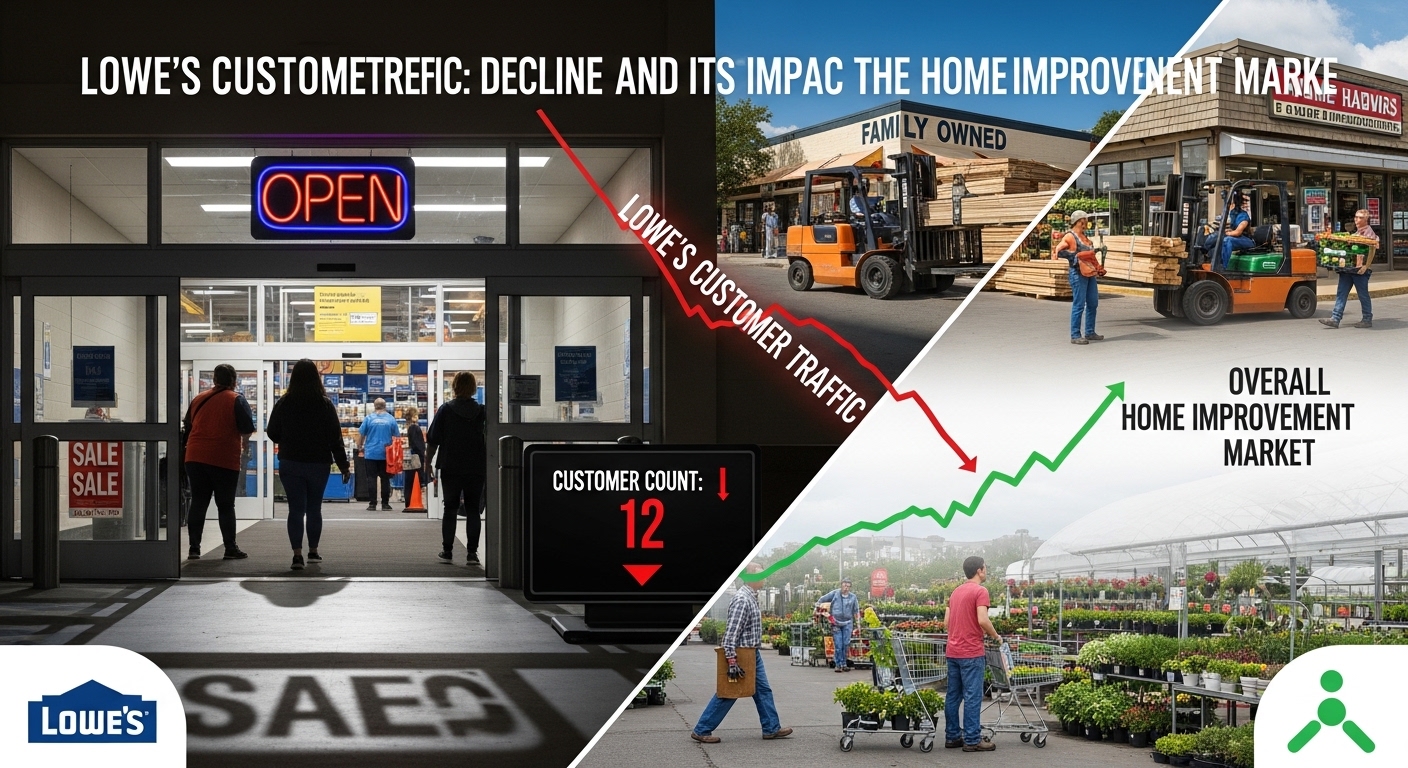
The retail home improvement industry has experienced significant changes in recent years, and one topic receiving growing attention is Lowe’s customer traffic decline. As one of the largest home improvement retailers in the United States, Lowe’s has long attracted millions of customers seeking tools, building materials, appliances, and home renovation solutions. However, shifts in consumer spending, economic pressures, and evolving shopping behaviors are influencing store visits. Understanding the reasons behind Lowe’s customer traffic decline helps reveal broader retail trends and highlights how major brands must adapt to remain competitive in an increasingly digital and price-conscious marketplace.
Changing Consumer Spending Habits
One of the major reasons behind Lowe’s customer traffic decline is the shift in consumer spending habits. In recent years, many households have become more cautious with discretionary purchases due to inflation, higher interest rates, and rising living costs. Home improvement projects, especially large renovations, often require significant financial commitment. As a result, consumers may postpone upgrades or choose smaller projects instead of major remodeling. This change directly impacts the number of shoppers visiting home improvement stores. While demand for essential repair items remains stable, reduced spending on larger projects can significantly lower overall store traffic and affect retail performance across the industry.
The Impact of the Housing Market Slowdown
The housing market plays a crucial role in the performance of home improvement retailers, and a slowdown can contribute to Lowe’s customer traffic decline. When fewer homes are being bought or sold, there are typically fewer renovation and remodeling projects. New homeowners often invest heavily in upgrades after purchasing a property, which drives traffic to stores selling building materials and home products. However, when mortgage rates rise and housing affordability decreases, home sales tend to decline. This chain reaction reduces demand for renovation supplies and results in fewer customers visiting stores, ultimately affecting overall foot traffic and sales performance.
Increased Competition from Online Retailers
Another factor influencing Lowe’s customer traffic decline is the rapid growth of online retail competition. Digital platforms offer convenience, competitive pricing, and quick delivery options that appeal to modern consumers. Many shoppers now prefer browsing products online rather than visiting physical stores. Online retailers also provide easy comparison tools, allowing customers to evaluate prices and product reviews before making decisions. While Lowe’s has invested in its own e-commerce platform, competition from established online marketplaces continues to influence customer behavior. This shift toward digital purchasing has gradually reduced in-store visits, especially for smaller home improvement items.
Post-Pandemic Shifts in Home Improvement Demand
The surge in home improvement activity during the global pandemic significantly boosted store traffic for retailers like Lowe’s. Many homeowners invested in renovations, repairs, and DIY projects while spending more time at home. However, as daily routines returned to normal, the intensity of these projects decreased. This shift has contributed to Lowe’s customer traffic decline as consumers prioritize travel, entertainment, and other experiences over home upgrades. The post-pandemic environment has reshaped spending priorities, leading to a gradual normalization in demand for renovation products. As a result, home improvement retailers must adjust their strategies to maintain customer engagement.
The Role of Inflation and Economic Uncertainty
Economic uncertainty has also played a major role in Lowe’s customer traffic decline. Rising prices for construction materials, appliances, and household goods can discourage customers from starting new renovation projects. When consumers feel uncertain about future income or financial stability, they tend to delay large purchases and focus only on essential spending. Inflation also affects contractors and professional builders who rely on stable pricing to manage projects. When costs fluctuate, many projects are postponed or scaled down, which ultimately reduces demand for supplies and decreases the number of customers visiting home improvement stores.
Changing Preferences in DIY and Professional Services
Consumer preferences in the home improvement sector are evolving, and this trend has influenced Lowe’s customer traffic decline. In previous years, the popularity of do-it-yourself projects encouraged many homeowners to visit stores frequently for materials and tools. However, some consumers are now choosing professional services instead of completing projects themselves. Others are focusing on smaller upgrades that require fewer materials. This shift reduces the frequency of store visits, especially when homeowners rely on contractors who purchase supplies through specialized distribution channels. As preferences evolve, retailers must adapt their offerings to serve both individual customers and professional builders.
Digital Transformation in Retail Strategy
Retailers are increasingly investing in digital transformation to address challenges such as Lowe’s customer traffic decline. Mobile apps, online ordering, and curbside pickup options have become essential features in modern retail. These technologies allow customers to shop conveniently without entering physical stores. While this approach improves overall accessibility, it can also reduce traditional in-store traffic. However, digital tools create new opportunities for retailers to engage customers through personalized recommendations, targeted promotions, and efficient delivery services. The balance between physical retail and digital convenience is becoming a key factor in shaping the future of home improvement shopping.
Strategies to Rebuild Customer Engagement
Addressing Lowe’s customer traffic decline requires a combination of innovation, customer engagement, and operational improvements. Retailers must focus on enhancing the in-store experience while strengthening digital platforms. Offering workshops, expert advice, and interactive displays can attract customers who value hands-on guidance for home projects. At the same time, competitive pricing and efficient supply chains remain critical in maintaining consumer trust. Partnerships with professional contractors and improved product availability can also encourage repeat visits. By aligning retail strategies with changing consumer expectations, companies can gradually rebuild customer traffic and strengthen their market position.
Conclusion
Lowe’s customer traffic decline reflects broader changes within the retail and home improvement industries. Economic pressures, shifts in consumer spending, increased online competition, and evolving project preferences all contribute to reduced store visits. While these challenges affect many retailers, they also present opportunities for innovation and strategic adaptation. By improving digital capabilities, enhancing in-store experiences, and responding to new customer behaviors, home improvement companies can navigate changing market conditions effectively. Understanding the causes behind declining traffic is the first step toward developing solutions that support long-term growth and maintain strong relationships with customers in a dynamic retail environment.