
 By wkxoq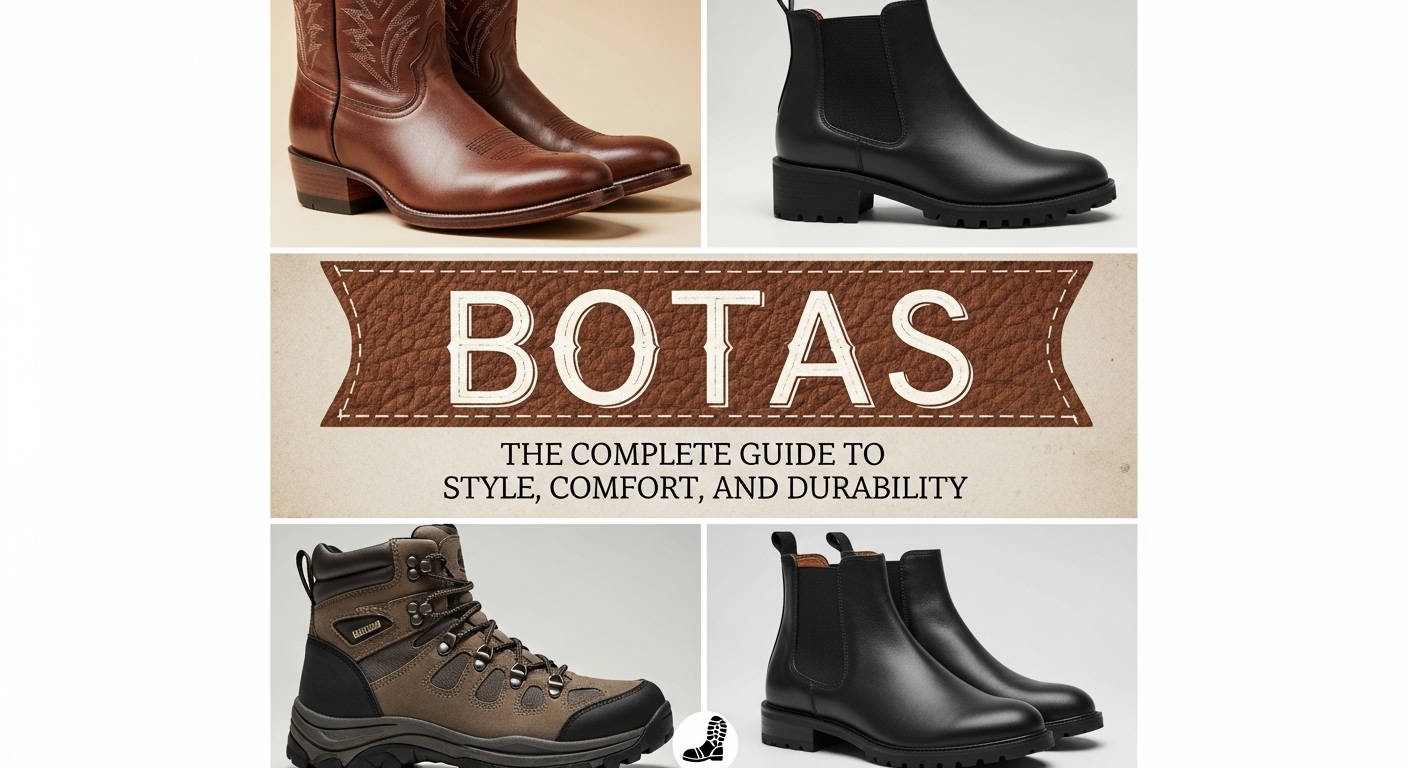
Botas have long been a symbol of style, protection, and cultural identity across many regions of the world. From fashion runways to rugged outdoor landscapes, botas continue to evolve while maintaining their timeless appeal. Whether worn for work, weather protection, or as a statement piece, they combine functionality with design in a way few other footwear options can match. Understanding the different types, materials, and styling possibilities can help you choose the perfect pair. Everything you need to know about botas to make an informed and confident purchase.
The History and Cultural Significance of Botas
Botas have a rich history that reflects tradition, craftsmanship, and regional identity. In many cultures, they were originally designed for practical purposes such as farming, horseback riding, and outdoor labor. Over time, botas became associated with specific lifestyles and communities, symbolizing strength and resilience. In some countries, traditional leather botas are still handmade using techniques passed down through generations. Their cultural value remains strong, especially in rural areas where they represent heritage and pride. Today, modern interpretations preserve these roots while adapting to contemporary fashion trends and global markets.
Different Types of Botas Available Today
The market offers a wide variety of botas to suit different needs and preferences. Ankle botas are popular for casual wear, offering versatility and ease of movement. Knee-high styles provide additional protection and are often chosen for colder climates or equestrian activities. Work botas are designed with reinforced soles and durable materials to withstand demanding environments. Fashion-forward options feature decorative stitching, buckles, or unique textures. Waterproof botas are ideal for rainy seasons, while insulated versions offer warmth during winter. Understanding these categories allows buyers to select footwear that matches their lifestyle and environment.
Materials Used in High-Quality Botas
The quality of botas largely depends on the materials used in their construction. Genuine leather remains one of the most popular choices due to its durability, flexibility, and classic appearance. Suede offers a softer texture and a refined look, though it requires more maintenance. Synthetic materials provide lightweight and affordable alternatives while improving water resistance. Rubber soles are commonly used for traction and shock absorption, especially in work botas. Some premium designs incorporate breathable linings to enhance comfort. Choosing the right material ensures long-term performance and maintains the aesthetic appeal of the footwear.
How to Choose the Perfect Pair of Botas
Selecting the right botas involves careful consideration of comfort, purpose, and fit. Start by identifying the primary use, whether for daily wear, outdoor work, or formal occasions. Ensure the boots provide adequate arch support and cushioning, especially if they will be worn for extended periods. The fit should allow slight movement of the toes without feeling loose at the heel. Checking the quality of stitching and sole attachment can indicate durability. Additionally, consider color and design to ensure the botas complement your wardrobe while meeting practical requirements.
Styling Botas for Everyday Fashion
Botas are highly versatile and can elevate a wide range of outfits. For a casual look, ankle botas pair well with jeans and a fitted jacket. Knee-high styles complement dresses and skirts during colder months, adding both warmth and elegance. Neutral shades such as brown, black, or tan offer flexibility and easy coordination with various clothing pieces. Statement botas with unique patterns or bold colors can serve as the focal point of an outfit. By balancing proportions and textures, you can create polished looks that transition seamlessly from day to evening.
Caring for and Maintaining Your Botas
Proper maintenance extends the lifespan of botas and preserves their appearance. Leather botas benefit from regular cleaning with a soft cloth and conditioning treatments to prevent cracking. Suede options require specialized brushes to remove dirt and maintain texture. Storing botas in a cool, dry place helps prevent moisture damage and mold growth. Using shoe trees can maintain their shape over time. For waterproof styles, occasional reapplication of protective sprays ensures continued resistance to water. Consistent care not only protects your investment but also keeps your footwear looking refined and well-maintained.
Seasonal Trends Influencing Botas Design
Fashion trends influence the design and popularity of botas each season. In autumn and winter, demand increases for insulated and weather-resistant styles that provide warmth and comfort. Designers often introduce darker shades and textured finishes to match seasonal wardrobes. During spring, lighter materials and softer colors become more prominent. Chunky soles and minimalist silhouettes have gained popularity in recent years, reflecting modern design preferences. While trends evolve, classic botas with clean lines and high-quality materials remain consistently stylish. Staying aware of seasonal influences helps consumers make trend-conscious purchasing decisions.
The Importance of Comfort and Functionality
While appearance is important, comfort and functionality should never be overlooked when choosing botas. Proper cushioning reduces strain on the feet and lower back, particularly for individuals who stand or walk for long periods. Breathable interiors prevent discomfort caused by excessive heat or moisture. Flexible soles improve natural movement, enhancing overall wearability. Functional features such as slip-resistant outsoles and reinforced toes add safety in work environments. Balancing style with ergonomic design ensures that botas remain practical for everyday use without compromising aesthetic appeal or personal expression.
Sustainability and Ethical Production of Botas
As consumers become more environmentally conscious, sustainability has become a significant consideration in the production of botas. Many manufacturers are adopting eco-friendly materials and responsible sourcing practices. Vegetable-tanned leather and recycled components reduce environmental impact while maintaining durability. Ethical labor standards also play a vital role in ensuring fair working conditions within the footwear industry. Investing in high-quality botas designed for longevity reduces waste by minimizing frequent replacements. Choosing brands committed to sustainable practices supports environmental responsibility while providing durable and stylish footwear options for modern consumers.
Conclusion
Botas continue to stand out as a versatile and enduring footwear choice that blends tradition, practicality, and contemporary style. From their cultural roots to modern innovations in design and sustainability, they offer something for every lifestyle and preference. By understanding materials, fit, maintenance, and current trends, consumers can confidently select a pair that meets both functional and aesthetic needs. Whether worn for work, fashion, or outdoor activities, botas remain a reliable and stylish investment that delivers comfort, durability, and timeless appeal.